Loading...
Thomas

Thomas

Γιατί να προσφέρεις

Published in Δωρεές στο Ανατόλια

«Dare to do Right» – Τόλμησε να κάνεις το σωστό. Αυτό ήταν το σύνθημα της πρώτης τάξης αποφοίτων του Κολλεγίου Ανατόλια και έκτοτε, η κοινότητα του Ανατόλια συνεχώς τολμάει να κάνει το καλό, εμπνέοντας και δημιουργώντας θετική αλλαγή από το 1886, την πρώτη ημέρα της ίδρυσής του. Με την υποστήριξή σας, αυτή η κληρονομιά συνεχίζεται και ενδυναμώνεται, συμβάλλοντας σε ένα μέλλον γεμάτο ελπίδα και προοπτική για τις επόμενες γενιές.

Στηρίζοντας το Κολλέγιο Ανατόλια…

  • Παρέχετε οικονομική στήριξη ώστε άξιοι μαθητές και άξιες μαθήτριες, ανεξαρτήτως οικονομικής κατάστασης, να συνεχίσουν να έχουν την ευκαιρία να υλοποιήσουν τα όνειρά τους μέσω της εκπαίδευσης.
  • Ενδυναμώνετε ένα κορυφαίο εκπαιδευτικό ίδρυμα που συνδυάζει τα καλύτερα στοιχεία του ελληνικού εκπαιδευτικού προγράμματος, με την καινοτομία και τη σφαιρική μόρφωση του αμερικανικού εκπαιδευτικού μοντέλου, εμπνέοντας την ελληνική νεολαία.
  • Διασφαλίζετε ότι οι μαθητές και οι μαθήτριες του Κολλεγίου Ανατόλια έχουν πρόσβαση σε τεχνολογίες αιχμής και σύγχρονες υποδομές, ώστε να εξελιχθούν στην καλύτερη εκδοχή του εαυτού τους και να διακριθούν στη διεθνή αγορά.
  • Συμβάλλετε στη βιωσιμότητα και στην εξέλιξη ενός ιστορικού, μη κερδοσκοπικού εκπαιδευτικού οργανισμού, ο οποίος, παρά τις προκλήσεις που χρειάζεται να αντιμετωπίζει, συνεχίζει, με όραμα και με οδηγό τις αξίες του, να ηγείται και να διαπρέπει, αποτελώντας πηγή εθνικής περηφάνιας.
ΠΕΡΙΣΣΟΤΕΡΑ

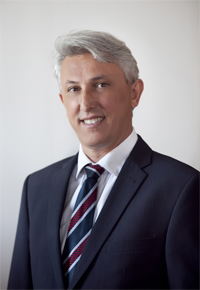
Μήνυμα Προέδρου

Published in Σχετικά

panosblaxosΚαλώς ήρθατε στο Ανατόλια, μία φιλόξενη και δραστήρια διεθνή εκπαιδευτική κοινότητα!

Το Ανατόλια είναι ένα ιδιωτικό, μη-κερδοσκοπικό εκπαιδευτικό αμερικανικό ίδρυμα. Πρόκειται για ένα αξιοσημείωτο και ξεχωριστό ίδρυμα, από πολλές απόψεις, με μία ιστορία 140 ετών. Στο σύνολό της, η εκπαιδευτική του κοινότητα απαρτίζεται από:

  • Ένα Δημοτικό Σχολείο (Προνήπια έως και ΣΤ’ Δημοτικού)
  • Ένα ελληνόφωνο Γυμνάσιο-Λύκειο που προσφέρει εντατική διδασκαλία της αγγλικής γλώσσας
  • Ένα διεθνές σχολείο International Baccalaureate όπου όλη η διδασκαλία γίνεται στα αγγλικά
  • Το Pinewood, το Αμερικανικό Διεθνές Σχολείο, που προσφέρει πρωτοβάθμια και δευτεροβάθμια εκπαίδευση σε ένα εξ ολοκλήρου αγγλόφωνο περιβάλλον
  • Το Anatolia American University – ULE, το οποίο σε συνεργασία με το Open University της Μεγάλης Βρετανίας, προσφέρει αγγλόφωνα προπτυχιακά προγράμματα, πλήρως αναγνωρισμένα από την Ελληνική Πολιτεία ως ισότιμα και αντίστοιχα με εκείνα των ελληνικών δημόσιων πανεπιστημίων.
  • Το ACT – The American College of Thessaloniki, ένα κολλέγιο αναγνωρισμένο και πιστοποιημένο από τις ΗΠΑ και την ΕΕ που προσφέρει προγράμματα Bachelor’s και Master’s σε ένα πλήθος ακαδημαϊκών πεδίων
  • Το Κέντρο Διά Βίου Μάθησης (Lifelong Learning Center) για την κατάρτιση αποφοίτων και επαγγελματιών
  • Το Κέντρο για Χαρισματικά-Ταλαντούχα Παιδιά CTY Greece, σε συνεργασία με το Πανεπιστήμιο Johns Hopkins
  • Πρόγραμμα Bilingual που καλλιεργεί δίγλωσσους και εν δυνάμει δίγλωσσους μαθητές

Όλες αυτές οι βαθμίδες, τα κέντρα και τα προγράμματα, φιλοξενούνται μεταξύ άλλων σε ένα εκτενές, καταπράσινο campus 220 στρεμμάτων στη Θεσσαλονίκη, τη δεύτερη μεγαλύτερη πόλη της Ελλάδας.

Το Ανατόλια ιδρύθηκε για πρώτη φορά το 1886. Έχει αντιμετωπίσει κάθε είδους αντιξοότητα, υπόμεινε τρεις πολέμους, ενώ αναγκάστηκε να αλλάξει βάση τρεις φορές, συμπεριλαμβανομένης και της μετεγκατάστασής του από τη Μικρά Ασία στην Ελλάδα το 1924. Το σχολείο αυτό έχει ξεπεράσει όλες αυτές τις δυσκολίες και όμως κατάφερε να γίνει ένα ισχυρό και δυναμικό διεθνές κέντρο μάθησης που είναι σε θέση να προετοιμάσει τους νέους για τις προκλήσεις του 21ου αιώνα. Το Ανατόλια σήμερα φιλοξενεί περίπου 4500 μαθητές και μαθήτριες. Δεν τους προσφέρει μονάχα γερά θεμέλια στην ακαδημαϊκή και μετέπειτα επαγγελματική τους καριέρα, αλλά τους διδάσκει παράλληλα πώς να είναι σύγχρονοι και ευαισθητοποιημένοι πολίτες του κόσμου.

Εκ μέρους των Εφόρων μας, των μαθητών, των καθηγητών, του προσωπικού και των αποφοίτων του Ανατόλια, σας καλωσορίζω με υπερηφάνεια στην ακαδημαϊκή μας κοινότητα και σας καλώ να μάθετε περισσότερα για τους τρόπους και τα μέσα με τα οποία θα μπορούσατε και εσείς να γίνετε μέλος μας και κομμάτι της ιστορίας μας.

Δρ. Πάνος Βλάχος
Πρόεδρος

ΠΕΡΙΣΣΟΤΕΡΑ

Clubs

Published in Δραστηριότητες

Το πρόγραμμα εξωσχολικών δραστηριοτήτων του Ανατόλια δίνει τη δυνατότητα στους μαθητές να ασχοληθούν με μια μεγάλη γκάμα αθλητικών, καλλιτεχνικών, επιστημονικών και άλλων δραστηριοτήτων.

Οι κατηγορίες των ομίλων είναι οι εξής: Arts & Creativity, Humanities & Social Sciences, Performing Arts, Public Speaking & Diplomacy, STEM, Sports & Exercise, και Service as Action. Μέσω της συμμετοχής τους, οι μαθητές μας διευρύνουν τους ορίζοντές τους και ανακαλύπτουν ταλέντα που δεν ήξεραν ότι έχουν, ενώ ταυτόχρονα εξασκούν την αγγλική γλώσσα αφού πολλοί από τους ομίλους γίνονται στα αγγλικά.

Κάθε χρόνο εκατοντάδες μαθητές του Ανατόλια συμμετέχουν σε ταξίδια για να εκπροσωπήσουν το Ανατόλια σε Προσομοιώσεις Συνόδων των Ηνωμένων Εθνών (MUN), σε αγώνες ρητορικής στην αγγλική και ελληνική γλώσσα, στο Ευρωπαϊκό Κοινοβούλιο Νέων και σε πολλές άλλες εκδηλώσεις στην Ελλάδα και το εξωτερικό, όπου έχουν τη δυνατότητα να έρθουν σε επαφή με ξεχωριστούς μαθητές Γυμνασίων-Λυκείων από όλο τον κόσμο.

Κατεβάστε το Club Booklet

Δείτε το Club Schedule

Περισσότερες πληροφορίες

Student Life Center
Τηλ: +30 2310 398-328
+30 2310 398-373
+30 2310 398-266
Email: Αυτή η διεύθυνση ηλεκτρονικού ταχυδρομείου προστατεύεται από τους αυτοματισμούς αποστολέων ανεπιθύμητων μηνυμάτων. Χρειάζεται να ενεργοποιήσετε τη JavaScript για να μπορέσετε να τη δείτε.

ΠΕΡΙΣΣΟΤΕΡΑ

Press

Published in Επικοινωνία

Περισσότερες πληροφορίες

Olga Tsantila
Public Relations & Communications Officer
T/F: +30 2310.398.236
E-mail: Αυτή η διεύθυνση ηλεκτρονικού ταχυδρομείου προστατεύεται από τους αυτοματισμούς αποστολέων ανεπιθύμητων μηνυμάτων. Χρειάζεται να ενεργοποιήσετε τη JavaScript για να μπορέσετε να τη δείτε.

ΠΕΡΙΣΣΟΤΕΡΑ

Διοίκηση Anatolia High School

Published in Διοίκηση
Ονοματεπώνυμο  Τίτλος  Τηλέφωνο  email 
Θοδωρής Φιλάρετος Αντιπρόεδρος Πρωτοβάθμιας & Δευτεροβάθμιας Εκπαίδευσης  +30 2310 398-325  Αυτή η διεύθυνση ηλεκτρονικού ταχυδρομείου προστατεύεται από τους αυτοματισμούς αποστολέων ανεπιθύμητων μηνυμάτων. Χρειάζεται να ενεργοποιήσετε τη JavaScript για να μπορέσετε να τη δείτε. 
Έλσα Εξηνταβελώνη  Γυμνασιάρχης 1ου Γυμνασίου  +30 2310 398-355  Αυτή η διεύθυνση ηλεκτρονικού ταχυδρομείου προστατεύεται από τους αυτοματισμούς αποστολέων ανεπιθύμητων μηνυμάτων. Χρειάζεται να ενεργοποιήσετε τη JavaScript για να μπορέσετε να τη δείτε.
Καλλιρρόη Σταμάτη  Γυμνασιάρχης 2ου Γυμνασίου +30 2310 398-301  Αυτή η διεύθυνση ηλεκτρονικού ταχυδρομείου προστατεύεται από τους αυτοματισμούς αποστολέων ανεπιθύμητων μηνυμάτων. Χρειάζεται να ενεργοποιήσετε τη JavaScript για να μπορέσετε να τη δείτε.
Στέλιος Αξαρλής  Λυκειάρχης 1ου Λυκείου  +30 2310 398-354  Αυτή η διεύθυνση ηλεκτρονικού ταχυδρομείου προστατεύεται από τους αυτοματισμούς αποστολέων ανεπιθύμητων μηνυμάτων. Χρειάζεται να ενεργοποιήσετε τη JavaScript για να μπορέσετε να τη δείτε.
Αναστάσιος Γκέντζος Λυκειάρχης 2ου Λυκείου  +30 2310 398-320  Αυτή η διεύθυνση ηλεκτρονικού ταχυδρομείου προστατεύεται από τους αυτοματισμούς αποστολέων ανεπιθύμητων μηνυμάτων. Χρειάζεται να ενεργοποιήσετε τη JavaScript για να μπορέσετε να τη δείτε.
Άννα Μπίλλη-Πετμεζά  Συντονίστρια IB Diploma Programme  +30 2310 398-291  Αυτή η διεύθυνση ηλεκτρονικού ταχυδρομείου προστατεύεται από τους αυτοματισμούς αποστολέων ανεπιθύμητων μηνυμάτων. Χρειάζεται να ενεργοποιήσετε τη JavaScript για να μπορέσετε να τη δείτε. 
Δώρα Παπουτσή Συντονίστρια MYP +30 2310 398-240 Αυτή η διεύθυνση ηλεκτρονικού ταχυδρομείου προστατεύεται από τους αυτοματισμούς αποστολέων ανεπιθύμητων μηνυμάτων. Χρειάζεται να ενεργοποιήσετε τη JavaScript για να μπορέσετε να τη δείτε.
Ειρήνη Τρούσα Διευθύντρια Testing Office +30 2310 398-369 Αυτή η διεύθυνση ηλεκτρονικού ταχυδρομείου προστατεύεται από τους αυτοματισμούς αποστολέων ανεπιθύμητων μηνυμάτων. Χρειάζεται να ενεργοποιήσετε τη JavaScript για να μπορέσετε να τη δείτε.
Αλεξία Δάρα Διευθύντρια Οικοτροφείου +30 2310 398-364 Αυτή η διεύθυνση ηλεκτρονικού ταχυδρομείου προστατεύεται από τους αυτοματισμούς αποστολέων ανεπιθύμητων μηνυμάτων. Χρειάζεται να ενεργοποιήσετε τη JavaScript για να μπορέσετε να τη δείτε.
Georgia Proestopoulos Διευθύντρια Τμήματος Συμβουλευτικής για Σπουδές στο Εξωτερικό +30 2310 398-340 Αυτή η διεύθυνση ηλεκτρονικού ταχυδρομείου προστατεύεται από τους αυτοματισμούς αποστολέων ανεπιθύμητων μηνυμάτων. Χρειάζεται να ενεργοποιήσετε τη JavaScript για να μπορέσετε να τη δείτε.
Λήδα Αντωνίου Διευθύντρια Εξωδιδακτικών Δραστηριοτήτων +30 2310 398-328 Αυτή η διεύθυνση ηλεκτρονικού ταχυδρομείου προστατεύεται από τους αυτοματισμούς αποστολέων ανεπιθύμητων μηνυμάτων. Χρειάζεται να ενεργοποιήσετε τη JavaScript για να μπορέσετε να τη δείτε.
Ηρώ Κολιάκου Συντονίστρια Προγράμματος STEM +30 2310 398-358 Αυτή η διεύθυνση ηλεκτρονικού ταχυδρομείου προστατεύεται από τους αυτοματισμούς αποστολέων ανεπιθύμητων μηνυμάτων. Χρειάζεται να ενεργοποιήσετε τη JavaScript για να μπορέσετε να τη δείτε.
Κορίνα Θεοδωρίδου Υπεύθυνη Γραφείου Υποτροφιών και Εισαγωγής Μαθητών +30 2310 398-203 Αυτή η διεύθυνση ηλεκτρονικού ταχυδρομείου προστατεύεται από τους αυτοματισμούς αποστολέων ανεπιθύμητων μηνυμάτων. Χρειάζεται να ενεργοποιήσετε τη JavaScript για να μπορέσετε να τη δείτε.
ΠΕΡΙΣΣΟΤΕΡΑ

Music

Published in Εικαστικές Τέχνες και Μαθήματα Επιλογής

Course Description

Music functions as a means of personal and communal identity and expression, and embodies the social and cultural values of individuals and communities. This scenario invites exciting exploration and sensitive study.

A vibrant and stimulating musical education fosters curiosity and openness to both familiar and unfamiliar musical worlds. Through participating in the study of music we are able to explore the similarities, differences and links in music from within our own culture and that of others across time.

The Diploma Programme music course provides the opportunity to build on prior experience in music, and the appropriate foundation for further study in music at university level or in music career pathways. It also provides an enriching and valuable course of study for students who wish to pursue other careers and, at the same time, engage in the world of music as lifelong participants.

Course Objectives

The course enables students to develop their knowledge and potential as musicians, both personally and collaboratively. Having completed the IB music course at Standard Level (SL) or Higher Level (HL), students will be expected to demonstrate knowledge, understanding and perception of music in relation to time, place and cultures. They will be able to use appropriate musical terminology to describe and reflect their critical understanding of music, as well as present comparative analysis of music in relation to time, place and cultures. They will possess critical thinking skills through reflective thought, performance skills through solo or group music making, as well as compositional skills through the exploration, the control and the development of the elements of music.

Prior Learning

It is recommended that at SL students a) have successfully completed two to three years of study at a music conservatory, and b) are familiar with the fundamental concepts of music theory in Western music such as tonality (major and minor scales), music chords and music intervals.

It is highly recommended that at HL students a) have successfully completed three to five years of study at a music conservatory, b) have an understanding of the fundamental concepts of music theory noted above, and c) are familiar with the concepts of music harmony, harmonic rhythm, music form and structure, counterpoint and music texture.

Syllabus Outline

  • Musical Perception

This component is compulsory for both SL and HL students

  • Creating
  • Solo Performing
  • Group Performing

SL students are required to choose only one of the three components noted above.

HL students are required to present both Creating and Solo Performing.

Syllabus Content

Musical Perception

This involves study, analysis and examination, comparing and contrasting of musical cultures. Students actively listen to a wide range of music from different parts of the world, cultures and time periods. Students develop their aural perception and understanding of music by learning about musical elements (such as form, structure, duration, pitch, timbre, dynamics and texture), notations, musical terminology and context. An important part of musical perception is the study of two prescribed works. Two pieces of music are studied. These pieces represent key features from two different times, places and/or musical cultures. Students are required to analyze, examine, compare and contrast these prescribed works.

Investigating Musical Links

Through the study of pieces from different musical cultures students are encouraged to explore, analyze and examine the musical connections existing between two (or more) pieces of music from two distinct musical cultures. Through investigative study and analysis of the similarities and differences between the selected pieces of music, students learn to demonstrate significant musical links. The musical links investigation requires the student toengage in a sustained investigation that is self-directed.

Creating

In this component, students should aim to develop creative skills through exploration, control and development of musical elements. Creativity demands self-discipline and focus on the part of the students as they shape and assemble the musical elements to express a particular mood, character or other intended meaning. The following four options are available: composing, arranging, improvising and stylistic techniques, the latter being the study of the compositional styles of others. SL students are required to present two pieces of coursework, while HL students present three.

Solo Performing

SL students are required to submit a recording selected from pieces presented during one or more public performances(s). The total performance time must be 15 minutes for SL students and 20 minutes for HL students. In performing their pieces students may use any instrument or their voice. Any musical style is permitted. The submission should consist of contrasting pieces which display the student's strengths.

Group Performing

Students following this SL option are expected to be active, participating members of a musical group that performs on a regular basis in public during the course. A group could be as small as two people. However, the participating role of each performer must be of equal musical importance. The total performance time must be 20-30 minutes.

Assessment Outline (SL students)

Students are assessed both externally and internally.

External Assessment (50%)

Listening Paper (30%)

Students are required to answer five musical perception questions.

Musical Links Investigation (20%)

A written media script of no more than 2000 words, investigating the significant musical links between two (or more) pieces from distinct musical cultures.

Internal Assessment (50%)

Students are required to choose one of the following options:

Creating

Students are required to present two pieces of coursework, with recordings and written work.

Solo Performing

Students are required to present a 15-minute recording selected from pieces presented during one or more public performance(s).

Group Performing

Students are required to present a 20 to 30-minute recording selected from pieces presented during two or more public performances.

Assessment Outline (HL students)

Students are assessed both externally and internally.

External Assessment (50%)

Listening Paper (30%)

Students are required to answer seven musical perception questions.

Musical Links Investigation (20%)

A written media script of no more than 2000 words, investigating the significant musical links between two (or more) pieces from distinct musical cultures.

Internal Assessment (50%)

Creating (25%)

Students are required to present three pieces of coursework, with recordings and written work.

Solo Performing (25%)

Students are required to present a 20-minute recording selected from pieces presented during one or more public performance(s).

Teaching Method

Teachers support students throughout their studies, offering expertise and guidance on all sections of the syllabus, as well as on the preparation of submissions. However, it is important that students become responsible for their own learning through an active approach. Throughout the course, students are encouraged to engage with music that is familiar and unfamiliar to them, from a range of times, places and cultures. Through instruction and activities, students develop their understanding of music, and are enabled to make creative connections in their work.

ΠΕΡΙΣΣΟΤΕΡΑ

Visual Arts

Published in Εικαστικές Τέχνες και Μαθήματα Επιλογής

Course Description

Students taking visual art often go on to study: Architecture, Fashion Design, Interior Design, Product Design, Graphic Design, Animation and Fine Art in Universities in the U.S.A, U.K. and other European countries. We have also enabled students to enter the School of Fine Arts in Thessaloniki. Students should only choose Visual Art if they have an interest and reasonable ability in the subject.

Students studying Visual Art will create art pieces in 2D, 3D and lens based formats. They will study art and artists from different cultures and times and make connections with their own work. They will create exhibitions of their work and explain it from a curatorial point of view. They will visit exhibitions in Thessaloniki and have the opportunity to visit two European capitals in years 1 and 2.

Part 1: Comparative Study 20%

Externally Assessed

Students analyze and compare different artworks by different artists from different cultural contexts.

  • Students submit 10-15 screens which examine and compare at least 3 artworks, at least 2 of which need to be by different artists
  • HL students submit 3-5 screens showing how their work has been influenced by the art and artists studied
  • Students submit a list of sources used

Part 2: Process Portfolio 40%

Externally Assessed

Students submit carefully selected materials which evidence their sustained experimentation, exploration, manipulation and refinement of a variety of art making activities during the 2 year course.

  • HL level submit 13-25 screens, SL 9-18. At HL in at least 3 art making forms at SL in 2

N.B. Art making forms are: Two Dimensional such as drawing, painting printmaking; Three Dimensional such as sculpture, designed objects (architecture, fashion etc.) site specific such as installation and mural. Lens /electronic and screen based forms such as: animation, photography, and video.

Part 3: Exhibition 40%

Internally Assessed by subject teachers and moderated by the IBDP at the end of the course.

Students submit a selection of their resolved artworks. The selection would show evidence of their technical accomplishment and an understanding of the use of materials, ideas and practices appropriate to visual communication.

  • Students submit a curatorial rationale: HL 700 words, SL 400 words
  • HL submit 8-11 artworks, SL 4-7
  • Students submit exhibition text stating: title, size, medium and intention, for each work

Throughout the course students are expected to keep a journal to document their ideas. The journal is not directly assessed but is regarded as a fundamental activity of the course.

Download the subject guide

ΠΕΡΙΣΣΟΤΕΡΑ

Theatre Arts

Published in Εικαστικές Τέχνες και Μαθήματα Επιλογής

Course Description

The Diploma Programme theatre course is designed to encourage students to examine theatre in its diversity of forms around the world. This may be achieved through a critical study of the theory, history and culture of theatre, and will find expression through work shopping, devised work or scripted performance. Students will come to understand that the act of imagining, creating, presenting and critically reflecting on theatre in its past and present contexts embodies the individual and social need to investigate. Theatre is a composite art that is forever evolving in new forms. It nourishes, sustains and extends the human spirit. It is a means of exploring society and relationships within it. Through it, there may emerge possibilities for individual and communal understanding. Theatre is about transformation. It is the application, through play, of energy and imagination to frame, reflect, expose, critique and speculate.

These activities should engage and develop the sensibilities of all the students who participate in them.

By studying theatre, and engaging with it practically, students will discover how elusive, fascinating and varied theatre can be.

At the core of the theatre course lies a concern with clarity of understanding, critical thinking, reflective analysis, effective involvement and imaginative synthesis—all of which should be achieved through practical engagement in theatre.

Course Aims & Objectives

The guide aims offer the broad goals of the course. The aims focus on:

  • individual experiences and collaborative participation in a variety of theatre activities, practices and traditions
  • development of personal, academic, aesthetic and practical theatre skills
  • an understanding of the holistic nature of theatre.

The course objectives give insight into those areas that will be assessed. An effective course must create opportunities for the student to acquire the following identified qualities:

  • knowledge of theatrical traditions from more than one culture and, possibly, time
  • engagement with theatre performance and technical production
  • analytical and imaginative interpretation of performance material
  • application of research
  • reflection on personal growth in theatre
  • initiative and perseverance in both individual and group projects.

The HL student must also have the opportunity in the created course to investigate the nature of the relationship between theory and practice and engage with these findings

Course Content | Syllabus Outline

As part of the core syllabus, students will be expected to:

[as Director, Designer, Actor, and Spectator]

Syllabus

Component

Theatre in Context

Theatre Processes

Presenting Theatre

Examining a Play text

Research and examine the theoretical/cultural/personal context of at least 1 play.

Examine at least 1 play text through practical work.

Take part in the production of a play text to an audience.

Creating Original Theatre

Research at least 1 starting point and explore it through practical work.

Respond to at least 1 stimuli and engage with the process of making an original theatre piece.

Take part in the production of an original piece to an audience.

Exploring Performance Practices from around the world

Research and examine the theoretical/cultural/personal context of at least 2 contrasting performance practices from around the world.

Examine at least 2 contrasting performance practices from around the world through practical work.

Take part in a practical presentation of 1 theatre practice to others.

HL only

Theatre Theory in Practice

Research and examine the theoretical/cultural/personal context of at least 1 unfamiliar theatre theorist.

Study the process of practically exploring theatre theory and applying it to performance work.

Take part in a practical solo performance of a piece of work inspired by the theories of others.

Exams

Syllabus Component

Combining all they have learned from Theatre in Context, Theatre Processes and Presenting Theatre units:

Examining a Play text

Produce a Director's Notebook (20-30 pages) which explores the proposed staging of a published play text of their choice. It should include research into the cultural and theoretical context of the play. Include a 300 word description of their vision and directorial interpretation.

Creating Original Theatre

Take part in a Collaborative Theatre Project, creating an original piece of theatre from a stimulus. Submit a process portfolio (15-20 pages) to show how they have worked with others and what their contribution was. Include a 5-6 minutes unedited video recording and written commentary (400-500 words).

Exploring Performance Practices from around the world

Give a presentation on their Practical Research into Performance which includes a live 13-15 minute presentation about an unfamiliar practice from the perspective of performer and include a list of sources.

HL only

Theatre Theory in Practice

At HL create and present a performance informed by a theatre theorist and an element of their theory. The Theatre Theory in Practice assessment includes a process portfolio (7-­10 pages), a 5-10 minutes unedited videorecording of the performance and a written analysis of the selected recording (750-1000 words)

Course Requirements

Journal: Students at both HL and SL should keep a journal from the outset of the course. This is the student’s own record, charting development, challenges and achievements, and, as such, students are free to determine what form it should take (written, audio and/or visual). The aim of the journal is to support and nurture development and reflection, and it is expected that much of the students’ assessed work will emerge from it. Students should also be encouraged to explore connections between different areas of learning throughout the course. The journal should reflect the sensibility of individual students, and will contain their responses to the different areas of learning, it should be regarded as a fundamental activity of the course. The journal is checked and assessed in the end of each semester.

Performances:

Students are required to participate at -at least- three performances working from a different perspective in each one (acting, directing, set or costume design, lighting, sound or music, stage and production management. All the different stages of the production process should be recorded at the portfolio (rehearsals, performance and reflection) having always in mind to analyse, reflect and synthesise, not just to record. The third performance can always be a production outside the strict boundaries of the course (ie Drama Club or any other theatre group in town) as long as it is properly documented in the journal.

Although artistic excellence (talent?!) is not directly graded -only through the Journal- during the practical work students are required to demonstrate:

  • Time management skills
  • Self discipline
  • Co-operation, collaboration and processes of constructive and creative discussion, self-assessment and criticism
  • Preparation outside rehearsals
  • Acquisition and development of skills
  • Flair and imagination
  • Attention to detail
  • Effective time-management, organisation and efficiency, appropriate documentation of process

Failure to any of the above criteria can result to a low mark as a penalty.

External Productions: Students are encourage to see at least 4 (2 for each year) external performances. These performances should be properly recorded at the Journal and after the 2nd term connected with the theory.

Class presentations & Class participation: Needless to say that students are encouraged to participate during the class and to be prepared to do at least one presentation per year.

Group work: Group work is an essential part of IB Theatre Arts. Students need to learn how to work productively with in a group under pressure of time

ΠΕΡΙΣΣΟΤΕΡΑ

Film

Published in Εικαστικές Τέχνες και Μαθήματα Επιλογής

Course Description

Film is both a powerful communication medium and an art form. The Diploma Programme film course aims to develop students’ skills so that they become adept in both interpreting and making film texts.

Through the study and analysis of film texts and exercises in film-making, the Diploma Programme film course explores film history, theory and socio-economic background. The course develops students’ critical abilities, enabling them to appreciate the multiplicity of cultural and historical perspectives in film. To achieve an international understanding within the world of film, students are taught to consider film texts, theories and ideas from the points of view of different individuals, nations and cultures.

The IB film course emphasizes the importance of working individually and as a member of a group. Students are encouraged to develop the professional and technical skills (including organizational skills) needed to express themselves creatively in film.

At the core of the IB film course lies a concern with clarity of understanding, critical thinking, reflective analysis, effective involvement and imaginative synthesis that is achieved through practical engagement in the art and craft of film.

Course Aims

The film course at SL and HL aims to develop in students the skills necessary to achieve creative and critical independence in their knowledge, experience and enjoyment of film.

The aims are to promote:

  • An appreciation and understanding of film as a complex art form
  • An ability to formulate stories and ideas in film terms
  • The practical and technical skills of production
  • Critical evaluation of film productions by the student and by others
  • A knowledge of film-making traditions in more than one country.

Syllabus Components

Part 1: Textual analysis

This part of the course involves the detailed study of film sequences. Students should move between close textual analysis of specific scenes and analysis of films as a whole, contextualizing meanings within a larger framework.

Part 2: Film theory and history

This section involves the study of films and film-making traditions from more than one country. Students are expected to learn about films from more than one country to enhance their understanding of films familiar to them and also of films from other countries that may be less familiar to them.

Part 3: Creative process - techniques and organization of production

Part three focuses on the development of creative, analytical and production skills within film-making. Students will have the opportunity to develop skills in film production.

Assessment Objectives

Having followed the film course at SL or HL, students are expected to demonstrate:

  • An understanding of the variety of ways in which film creates meaning
  • An understanding and effective use of appropriate film language
  • Originality and creativity in developing an idea through the various stages of film-making, from conception to finished production
  • Technical skills and an appropriate use of available technology
  • The ability to draw together knowledge, skills, research and experience, and apply them analytically to evaluate film texts
  • A critical understanding of the historical, theoretical, socio-cultural, economic and institutional contexts of film in more than one country
  • The ability to research, plan and organize working processes
  • The ability to reflect upon and evaluate film production processes

Assessment Component

External assessment: 50%

Independent study: Rationale, script and list of sources for a short documentary production on an aspect of film theory and/or film history. The chosen films must originate from more than one country. (25%).

Oral Presentation: An oral presentation of a detailed critical analysis of a continuous extract from a prescribed film (25%).

Internal assessment: 50%

Production Portfolio : This component is internally assessed by the teacher and externally moderated by the IB at the end of the course (50%).

ΠΕΡΙΣΣΟΤΕΡΑ

Mathematical Studies

Published in Μαθηματικά

Course Introduction

Mathematical Studies (Standard Level) caters for students with varied backgrounds and abilities. More specifically it is designed to build confidence and encourage an appreciation of Mathematics in students who do not anticipate a need for Mathematics in their future studies. Students embarking on this course need to be equipped with fundamental skills and a rudimentary knowledge of basic processes.

The course concentrates on Mathematics which can be applied to contexts related to other curriculum subjects and topics that relate to home, work and leisure situations. The course includes project work: students must produce a project, a piece of written work based on personal research, guided and supervised by the teacher.

Course Content

The course covers pure Mathematics and some Statistics and Probability. There is no Mechanics or Decision Mathematics. Below is a brief list of the topic areas that will be covered:

  • Number and Algebra
  • Sets and Logic
  • Geometry and Trigonometry
  • Statistics and Probability
  • Functions
  • Financial mathematics
  • Further Statistics and Probability
  • Project work

Students complete a project that involves approximately twenty five hours of work in the classroom and at home.
A variety of teaching and learning methods will be used during the course. For example, there will be opportunities for whole group discussions, working through examples and exercises, note taking and problem solving. Graphic calculators are used.

Course Assessment

Internal tests will be set regularly throughout the course. There will be major internal exams at the end of the first year.

The Math Project, a project that is developed over the course, is also assessed internally and moderated by external examiners. The project, which is worth 20% of the overall assessment, will be an individual piece of work taking about 25 hours to complete. It will involve the collection and/or generation of data and the analysis and evaluation of that data.

External assessment is by examinations that are taken at the end of the two years:

  • The first examination is 1 hour long, is worth 30% of the overall assessment and consists of 15 compulsory short response questions.
  • The second examination is 2 hours long, is worth 50% of the overall assessment, and consists of 8 lengthy compulsory questions.
ΠΕΡΙΣΣΟΤΕΡΑ
Subscribe to this RSS feed