

Resilient Schools: Relationships, Behaviour & Mental Health
Saturday, November 7, 2026, 09:00-15:00
Kassandra Center for Educational Excellence, Anatolia
The Kassandra Center for Educational Excellence at Anatolia is organising a one-day conference on Saturday, 7 November, dedicated to the management of challenging behaviours, the development of positive relationships in the classroom, and mental health in schools.
The conference is addressed to educators, school leaders, psychologists, and counsellors working with children and adolescents. It aims to create a meaningful space for learning, the exchange of experiences, and the connection of scientific knowledge with everyday school practice.
The programme will open with a keynote address by Dr Alexis Lappas, Child and Adolescent Psychiatrist, followed by a series of three-hour interactive workshops with an emphasis on active participation and practical application. Through real-life cases and situations drawn from school life, participants will have the opportunity to explore challenges they encounter in their daily work, exchange experiences with fellow professionals, and develop strategies for behaviour management, strengthening relationships, and creating a psychologically safe learning environment.
The aim of the conference is for participants to leave with new ideas and practical tools, as well as greater confidence in navigating the complex challenges of school life.
Please note that all workshops will be conducted in Greek. They will be three hours long and held in parallel, so there is room to participate in only one workshop. In the registration form, please select only one workshop.
Participants will receive a certificate of attendance.
Conference Program
08:30 - 09:00 Arrival / Registration & Morning Coffee
09:00 - 09:15 Welcome
09:15 - 10:15 Keynote Address - Dr. Alexis Lappas
10:15 - 10:45 Thematic Presentation: From Support to a School Culture of Wellbeing - Maria Akritidou. Discussant: Prof. Sissy Hatzichristou
10:45 - 11:00 Questions & Discussion
11:00 - 11:10 Workshops Presentation
11:10 - 11:30 Break
11:30 - 13:00 Workshops: Part 1
13:00 - 13:30 Snack Break
13:30 - 15:00 Workshops: Part 2
Keynote Speech
Educating Postmodern Children & Adolescents: Building Vibrant Relationships Through the Fertilizing Power of Challenge
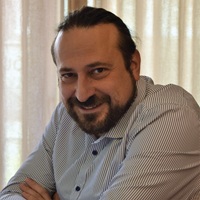 Dr. Alexis Lappas
Child and Adolescent Psychiatrist
He has been extensively involved in the training of students, parents, and educators across the country; over the last decade, more than 3,000 educators have attended his seminars on topics such as violence, challenging behavior, delinquency, and school reintegration. He collaborates—in supervisory, educational, and interdisciplinary capacities—with the Central Macedonia Regional Education Directorate, the Aristotle University of Thessaloniki, major private educational organizations, ecclesiastical bodies, and local government authorities throughout Greece.
Thematic Presentation
From Support to a School Culture of Wellbeing
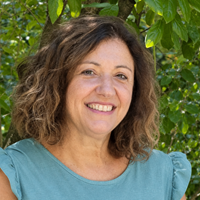 Maria Akritidou
Head of Wellbeing & Psychological Services
Anatolia College
This presentation traces the development of a three-year initiative at Anatolia College aimed at gradually moving from individual support services towards a holistic, school-wide culture of wellbeing. Through the coordination of support services, a stronger focus on prevention and early intervention, the systematic use of data, and the adoption of shared relational and restorative practices, the initiative seeks to embed wellbeing into the everyday life of the school. The presentation highlights key milestones, initiatives, and outcomes from this three-year journey, as well as the next steps towards creating a school where care, connection, and wellbeing are a shared responsibility and an integral part of the school’s identity.
Speaker's Short Bio:
Maria Akritidou is a School Psychologist and leads the Wellbeing – Counseling and Psychological Services Department at Anatolia College, where she has worked since 1999. She holds a degree in Psychology from Aristotle University of Thessaloniki and completed graduate studies and internship in School Psychology in California, USA..She has extensive experience in designing and implementing prevention, empowerment, and wellbeing programs, with a particular focus on fostering a positive and inclusive school climate that promotes equity and emotional safety for all students. She also has extensive teaching experience in secondary and higher education, as well as a strong professional interest and expertise in psychoeducational assessment. She participated in the standardization of the WISC-V GR and is a WISC-V trainer.
Prof. Sissy Hatzichristou will be discussing this presentation:
Chrysse (Sissy) Hatzichristou is a Professor of School Psychology with extensive experience as the Director of the "School Psychology" Postgraduate Program and the School Psychology Laboratory at the Department of Psychology of the National and Kapodistrian University of Athens. She has served as President of the International School Psychology Association (ISPA) and as an elected member of the boards and committees of various international and national scientific and professional associations. She has received significant international and national distinctions. She chaired the 1st and 4th Panhellenic Conferences on School Psychology (Athens, 2015 and 2026). Her research, writing, and applied work focus on topics such as school psychology; programs promoting mental health and resilience within the school community; support for vulnerable student groups; crisis management in schools; counseling for teachers and parents; and the multicultural and international dimensions of school psychology. She has authored books and published extensively in Greek and international scientific journals and edited volumes.Workshops
The workshops will be three hours long and will be held in parallel, so there is room to participate in only one workshop. In the registration form, please select only one workshop.
Please note that most workshops will be conducted in Greek.
1. From Conflict to Reconciliation and the Restoration of Relationships: Principles and Practices of Restorative Justice
Instructor: Anastasia Panidou
The workshop will introduce educators to the principles and practices of Restorative Justice within the school environment. This approach goes beyond merely punitive measures of a problematic behavior; instead, it focuses on acknowledging the incident, taking responsibility, repairing relationships, and ensuring the active participation of the school community. Through experiential exercises, case studies, simulations, and the adaptation of techniques to the needs of different schools, participants will explore ways to prevent challenging behaviors and manage conflicts. The aim of the workshop is for educators to acquire tools for creating a safe, inclusive, and democratic school climate, in which students have the opportunity to learn, make amends, and strengthen their relationships.
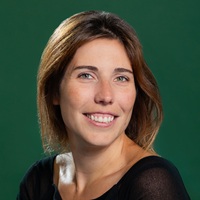 Anastasia Panidou is a psychologist, systemic psychotherapist, and PhD candidate with extensive experience in school psychology, educational administration, and the support of children, adolescents, educators, and families. She has implemented Restorative Justice practices as part of her work at Pinewood American International School of Thessaloniki. She also has teaching experience in both secondary and higher education and is actively involved in academic conferences.
2. The Regulated Teacher, the Regulated Classroom
Instructor: Dr. Kristi Poppi
This workshop explores the connection between teacher wellbeing and elementary school children's mental health, grounded in the science of co-regulation. Teachers will gain insight into their own stress responses, learn to recognize early signs of emotional dysregulation in children, and leave with practical tools they can apply immediately in the classroom. When teachers feel supported and regulated, their classrooms become safer and more conducive to learning for every child.
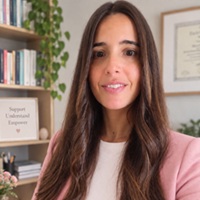 Dr. Kristi Poppi is a Child and Adolescent Psychologist and Assistant Professor of Psychology at Anatolia American University. She holds an MSc in Child & Adolescent Mental Health and a PhD from City, University of London, and has received further training in Infant Mental Health and Parent–Infant Psychotherapy. Her teaching and research focus on developmental psychology, child and adolescent mental health, emotional development, and parent–child relationships. Alongside her academic work, she is also in private practice, working with children, adolescents, and families, and bringing scientific knowledge into dialogue with the everyday needs of children, parents, and educators.
4. Different Cultural Experiences in the Classroom: Experiential Activities for an Inclusive School
Instructor: Dr. Leto Eleni Michalopoulou
Today’s classrooms increasingly include students from different countries and cultural backgrounds, bringing with them diverse experiences, ways of thinking, and frames of reference. How can educators better understand this diversity and create an environment in which all students feel that they belong and are able to participate fully?
The aim of this workshop is to give educators the opportunity, through experiential activities, to explore how we perceive diversity and multiple identities, as well as the beliefs and assumptions that may, often unconsciously, influence the way we view and support our students.
Across three sections, participants will engage with key concepts, explore experientially how perceptions and biases are formed, and connect these insights with everyday school practice. Particular emphasis will be placed on real-life examples and practical ways of responding to the needs of all students and fostering a more inclusive school environment.
 Dr. Leto Eleni Michalopoulou is an Assistant Professor of School Psychology in the Department of Psychology at Aristotle University of Thessaloniki. She received her undergraduate degree in Psychology from Aristotle University of Thessaloniki and subsequently completed her postgraduate and doctoral studies in School Psychology at Pennsylvania State University in the United States. Her research interests and clinical work focus on the provision of psychological services to vulnerable and minority student populations, as well as to their families.
5. Behavior Management with the Help of Artificial Intelligence: Practical Solutions for Today’s Educators
Instructor: Vasilis Economou
Everyday life in the classroom often tests teachers’ resilience, as managing challenging behavior, misconduct, or emotional outbursts requires more than simply setting and enforcing boundaries. This session bridges the theory of school psychology with the realities of today’s busy classroom. Through practical examples and tools grounded in the principles of positive reinforcement and Social and Emotional Learning (SEL), participants will learn how to de-escalate crises in real time, identify the underlying causes of challenging behavior, and design preventive strategies that foster a positive and collaborative classroom climate. The AI-powered tool “Classroom and Behavior Manager” will also be introduced as a modern digital advisor, offering teachers immediate, personalized, and pedagogically sound guidance for managing a wide range of classroom situations.
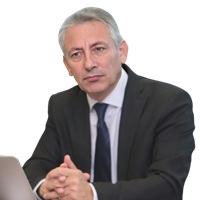 Vasilis Economou is a specialist in Information Technology in Education, an associate of the National and Kapodistrian University of Athens (NKUA), and an advisor to educational organizations. He served as Director of Information Technology and Digital Education at Athens College–Psychico College (2020–2024) and at Doukas School (1994–2020). With extensive experience in ICT, robotics, artificial intelligence, and educational software, he has received international recognition, including distinctions as a Microsoft Expert Educator and Microsoft Fellow, as well as recognition through Kodu Kup. He has participated in more than 50 research projects and has developed over 80 software titles. His research interests include 1:1 learning, Mixed Reality, and quality in education, with a vision of promoting the widespread and meaningful use of technology by students, educators, and parents.
6. What Makes a Classroom Thrive? Boundaries, Empathy & Positive Behavior
Instructor: Foteini Tsereli
This workshop focuses on the key elements of creating a well-functioning classroom, with particular emphasis on prevention, clear boundaries, positive behavior management, and building meaningful relationships between teachers and students. Through experiential activities, discussion of real-life cases, and practical exercises, participants will explore the distinction between punishment and logical consequences, practise framing rules in positive language, and consider how to establish clear expectations for both students and parents.
 Foteini Tsereli is a secondary school physics teacher. Her teaching philosophy focuses on fostering scientific thinking, integrating innovative technological tools into teaching, and developing 21st-century skills. As a trainer in European Erasmus+ programmes, she has provided professional development for teachers in STEAM education and classroom management. She also trains teacher education students in Science Education and Classroom Management. Her experience further includes working as an instructor at CTY Greece, as well as delivering STEAM programmes to primary school and kindergarten students.Through this workshop, she aims to share practical and readily applicable classroom management strategies that support the development of a positive, well-organised, and supportive learning environment across all levels of education.
7. Assumptions, Identity, and Connection in the Classroom: A Psychosocial Perspective on Teacher–Student Relationships and Behavior Management
Instructor: Dr. Zoi Charalambous
This workshop introduces educators to a psychosocial perspective on teacher–student relationships, structured around three key areas. First, participants will explore how selected psychoanalytic concepts and techniques may be thoughtfully and ethically adapted to support educators in challenging classroom situations. The workshop then invites participants to reflect on their own personal and professional histories as teachers and how these may shape their interactions with students. Finally, participants will share experiences of meaningful connection with students and consider what genuine connection in the classroom can look like in practice, with the ultimate aim of enhancing both teaching and, above all, learning.
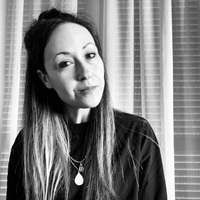 Dr. Zoi Charalambous is an educator, researcher, author, and founder of the School of ZOI, a bilingual online psychosocial learning platform for educators, parents, and adolescents. She holds a PhD in Psychosocial Studies from the UCL Institute of Education, where she also taught as a lecturer, leading her own course on teacher reflection within the B.Ed. programme.
Her research has focused on the ethical adaptation of psychoanalytic techniques in education and is reflected in her book, Writing Fantasy and the Identity of the Writer: A Psychosocial Writers' Workbook (Palgrave Macmillan).
Dr. Charalambous is a founding member of the UK Association for Psychosocial Studies and has been teaching at Anatolia College in Thessaloniki for the past 12 years.
9. Understanding Behavior: Building Relationships that Support Growth
Instructors: Evi Tsirogiannidou, Kyriakos Velemis
This experiential workshop focuses on a relationship-based approach and explores how the quality of teacher–student relationships and communication can influence behavior and the management of challenging situations. Through role-play, experiential activities, short scenarios drawn from everyday school life, and open discussion, participants will explore different ways of approaching and communicating with students and reflect on their own responses.
The workshop will also examine what may lie behind challenging behavior and the needs students may be expressing through aggressive or disruptive behaviors. The aim is to enrich participants’ professional “toolkit” with practical ways of responding that strengthen relationships and foster meaningful communication.
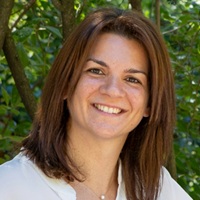 Evi Tsirogiannidou holds a degree in Psychology from Aristotle University of Thessaloniki, as well as postgraduate degrees in School Psychology from Aristotle University of Thessaloniki and in Continuing Education from the University of Macedonia. She is also a certified Systemic and Family Psychotherapist, with additional training in psychotherapy. She has worked in public secondary schools, special education, community mental health services, and private educational settings, gaining extensive experience in supporting a wide range of learning and emotional needs. Since 2024, she has been working at Anatolia College, where she provides individual and group counselling, collaborates closely with families and educators, and designs prevention and Social and Emotional Learning (SEL) initiatives.
 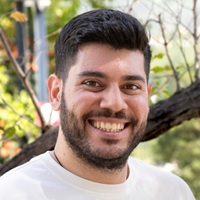 Kyriakos Velemis holds a degree in Psychology and a Master’s degree in Health Psychology from the University of Bath and is currently completing his PhD in Health Psychology at the University of Stirling. He has trained in Systemic Therapy, Cognitive Behavioural Hypnotherapy, and Internal Family Systems Therapy, bringing a multidimensional therapeutic approach to his work with students. Before joining Anatolia College in 2025, where he provides counselling to High School students, he worked at Greater Manchester Mental Health NHS Foundation Trust, contributing to research on the wellbeing of children, adolescents, and adults in collaboration with the Universities of Manchester, Oxford, and York. He has taught Health Psychology at Lancaster University and continues to teach in the field, combining academic expertise with practical experience. In addition, he facilitates self-help groups for adolescents experiencing psychosis through Voice Collective UK, supporting young people in developing resilience and emotional understanding.
10. Coaching Skills and Techniques in Classroom Management
Instructors: Dr. Aikaterini Dadatsi, Viktoria Georgopoulou
This workshop explores the ways in which coaching can support effective classroom behavior management. Drawing on a core coaching model, participants will examine key skills such as communication, active engagement, accountability, self-awareness, and reflective practice.
Particular emphasis will be placed on practical and experiential learning through exercises, simulations, and role-play. Participants will have the opportunity to practice coaching techniques such as active listening, reframing, and goal setting, and to consider how these can be applied to the management of school-based conflicts and behavioral challenges.
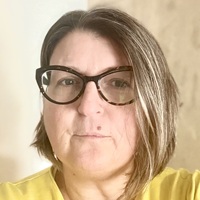 Aikaterini Dadatsi is a School Psychologist and holds a PhD from the Department of Psychology at Aristotle University of Thessaloniki. She currently serves as Acting Head of the 2nd KEDASY of Eastern Thessaloniki and has extensive experience in education and in the implementation of psychosocial interventions within school settings. She has participated in educational and scientific initiatives focusing on the school community, communication, and psychosocial empowerment.
 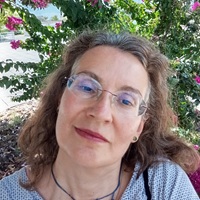 Viktoria Georgopoulou is a Psychologist and Systemic Psychotherapist with professional experience in the field of school psychology. She works at the 2nd KEDASY of Eastern Thessaloniki, focusing on psychosocial support and inclusive education. She has participated in professional development and scientific initiatives addressing themes such as collaboration within the school community, social and emotional learning, and inclusion.
11. Implementing Positive Behavioral Interventions and Supports in Schools: From Prevention to Building a Positive School Culture
Instructors: Sappho Ichtiaroglou, Eleni Tsouroupaki, Eleni Pechlivani
This workshop introduces participants to the key principles of Positive Behavioral Interventions and Supports (PBIS), a multi-tiered preventive framework aimed at promoting positive behavior, safety, inclusion, and a supportive school climate. The approach emphasizes prevention, the systematic teaching and reinforcement of expected behaviors, the early identification of and response to student needs, and the development of a shared and consistent approach across the school community.
The workshop will present key PBIS principles and practical applications, drawing on experience from implementation in different school settings, as well as practical tools for designing a comprehensive framework for behavior support. Particular emphasis will be placed on the connection between prevention and positive behavior management and the creation of a safe, inclusive, and supportive school environment—goals that are also closely aligned with current Ministry of Education priorities relating to prevention, the promotion of wellbeing, and the strengthening of a positive school climate.
Through examples from educational practice, discussion, and experiential activities, participants will have the opportunity to explore how PBIS principles can be translated into everyday practices and adapted to the needs and specific characteristics of each school community.
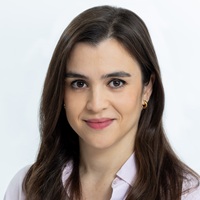 Sappho Ichtiaroglou is a psychologist with 15 years of experience in education. She holds a degree in Psychology from Aristotle University of Thessaloniki and an MSc in Psychology of Education from UCL Institute of Education in London. During her eight-year professional career in London, she worked in both nursery and primary school settings and served as an Inclusion Coordinator, supporting students with diverse learning and developmental needs and designing individualized education programmes. Since 2020, she has been a member of the Anatolia community, working as a School Psychologist in the Nursery and Elementary School. In her role at Anatolia, she designs and implements Social and Emotional Learning initiatives, provides counselling support, and collaborates with teachers, families, and the Learning Support team, with a focus on prevention, early intervention, and the promotion of a safe, positive, and inclusive school climate. Her goal is to ensure that all students, from their earliest school experiences through the end of elementary school, feel that they are an integral part of the school community.
 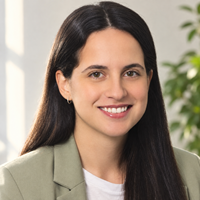 Eleni Tsouroupaki joined Anatolia College in 2024 and contributes to both Learning Support and Social and Emotional Learning in the Elementary School. She holds a degree in Psychology and a Master’s degree in School Psychology from Aristotle University of Thessaloniki. In her role, she provides individual and group counselling, conducts learning assessments, and works closely with teachers and families to support children’s overall development and adjustment to school. Her work focuses on the design and implementation of SEL initiatives and interventions, with particular emphasis on developing social and emotional skills and fostering positive relationships among students. Her professional approach also centres on creating safe, inclusive, and supportive learning environments where all children can experience stability and wellbeing at school. She strives to build trusting relationships with students and to find practical and creative ways to ensure that every child feels they have a place, a voice, and a sense of belonging within the school community. Eleni Pechlivani is a Learning Specialist in the Student Services Department at Pinewood International School, where she has worked since 2018. She is a graduate of the Department of Education Sciences in Early Childhood at Democritus University of Thrace and holds a Master’s degree in Special and Inclusive Education from University College London (UCL). She has worked in schools in London as a nursery teacher and Senior Behavior Tutor. She has also received training in Applied Behavior Analysis (ABA) through the Florida Institute of Technology in the United States and has completed the required supervised practical training hours. In 2022, she designed and developed the Positive Behavioral Interventions and Supports (PBIS) framework for the Elementary School at Pinewood International School, contributing to the implementation of a shared, positive, and preventive approach to student behavior.
12. Power Games, or My Secrets and Yours
Instructors: Niki Dragou, Elina Kontzoglou
What would a classroom look like if children, parents, and educators entered and each openly shared their strengths and weaknesses, their fears and expectations, their needs and desires? Perhaps then, every behavior would begin to make sense within its own limitations, while also revealing the possibility for change.
This experiential workshop by Voices will bring to the surface what often remains unseen and unspoken, with the aim of helping participants better understand and manage difficult or challenging behavior—whether their own or that of a student, parent, or colleague.
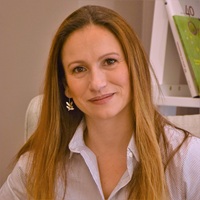 Androniki Dragou is a Child and Adolescent Psychiatrist and an Existential-Systemic Psychotherapist. In August 2016, together with her husband, Alexis Lappas, also a Child and Adolescent Psychiatrist, she founded the ProsOpsi Institute of Mental Health for Therapy and Education in Thessaloniki.
She trained at Antistixi, the Therapeutic and Educational Institute of Existential and Systemic Orientation in Athens, under Dimitris and Eleni Karagiannis. She also completed the Infant Observation programme of the Northern Greece Psychoanalytic Society with Ioanna Benou-Ierodiakonou.
During her time in the United Kingdom, she served as a Visiting Doctor in the Department of Psychiatry at Royal South Hants Hospital in Southampton. She attended the Parenting Course of the Family Caring Trust UK, a therapeutic group for mothers of preschool children, and participated in a learning support programme for children at St Joseph’s Catholic Primary School in Chalfont St Peter.
Dr Dragou has delivered talks aimed at raising women’s awareness of relationship and mental health issues and has facilitated groups for parents, educators, and adolescents in a variety of settings. She is the mother of three children.
 Elina Kontzoglou is a psychologist and psychotherapist specializing in the treatment of children, adolescents, and adults. She graduated from the Department of Psychology at the Aristotle University of Thessaloniki in 2004 and went on to obtain a Master’s degree (MSc) from the University of Ioannina, focusing on learning difficulties and special education. She is a certified Cognitive Behavioral Psychotherapist, accredited by the Greek Association for Cognitive Behavioral Psychotherapy. Since 2006, she has been providing psychotherapy services to children, adolescents, and adults, employing an integrative approach that combines principles from cognitive-behavioral, systemic, and psychoanalytic psychotherapy. She possesses extensive experience in the assessment, support, and management of emotional and behavioral difficulties, as well as family and developmental challenges, across diverse family settings (including adoption, foster care, single-parent families, mixed marriages, and same-sex couples). Additionally, she supports and facilitates professional teams in educational settings, as well as groups for adolescents and adults.
13. When Behavior Becomes a Message: From Observation to Understanding and Educational Response
Instructor: Dr. Sotiria Karolidou
This experiential workshop focuses on understanding challenging behaviors in the school setting, viewing them as possible messages linked to students’ needs, emotions, and difficulties. Through observation, exploration of real-life school situations, and the sharing of experiences, participants will have the opportunity to reconsider how they perceive and interpret behavior and to explore different ways of responding pedagogically.
The aim is to strengthen a meaningful, supportive, and effective approach to the everyday challenges of classroom life.
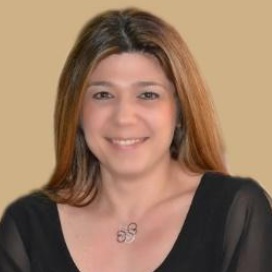 Sotiria A. Karolidou (PhD, MSc, MA) serves as an Advisor in Special Education and Inclusive Education and has an academic background in Philology, Theology, and Psychology. Her academic and professional work brings together Special and Inclusive Education, Counselling, and School Psychology, with a particular focus on the learning, social, and psycho-emotional dimensions of education.
She has teaching, research, and professional development experience in both education and adult education. She has authored books and academic publications, participated in research and development projects, and contributed to the development of educational materials and teaching guides. She has also been actively involved in teacher professional development and the design of educational initiatives, with the aim of bridging academic knowledge with the real needs of everyday school practice.
Scientific Coordinator
Maria Akritidou
Head of Wellbeing & Psychological Services, Anatolia College
About the Kassandra Center for Educational Excellence
The Kassandra Center for Educational Excellence (KCEE) at Anatolia aspires to become a reference point and resource for excellence in education at an institutional and regional level. It aims to empower educators to engage in innovative teaching strategies grounded in educational research and its emergent advancements which encompass both the academic and the socioemotional well-being of students.